Why Robotic Vision Is Essential for Progressing Precision in Manufacturing Industries
Robotic vision has actually become a vital component in contemporary manufacturing. It empowers makers to examine visual information with amazing precision. This capacity boosts quality assurance and lowers the likelihood of problems. As sectors endeavor for greater performance, understanding the ins and outs of robotic vision comes to be vital. The interaction in between modern technology and operational processes elevates crucial concerns concerning future developments and their effects. What exists in advance for precision in production?
Understanding Robotic Vision Modern Technology
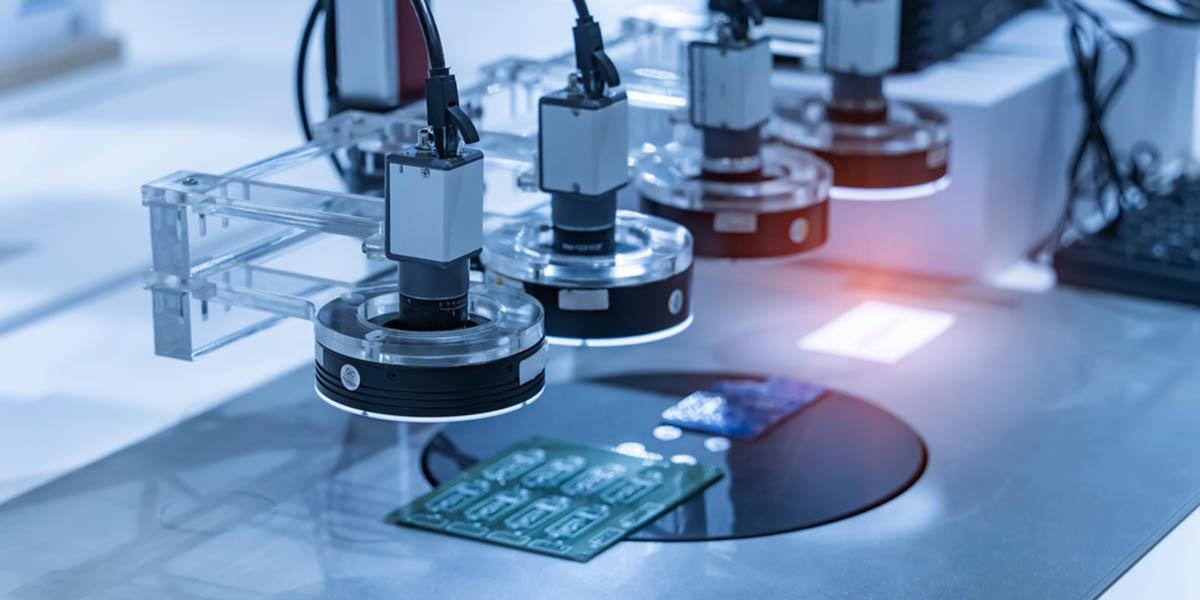
Enhancing High Quality Control With Robotic Vision
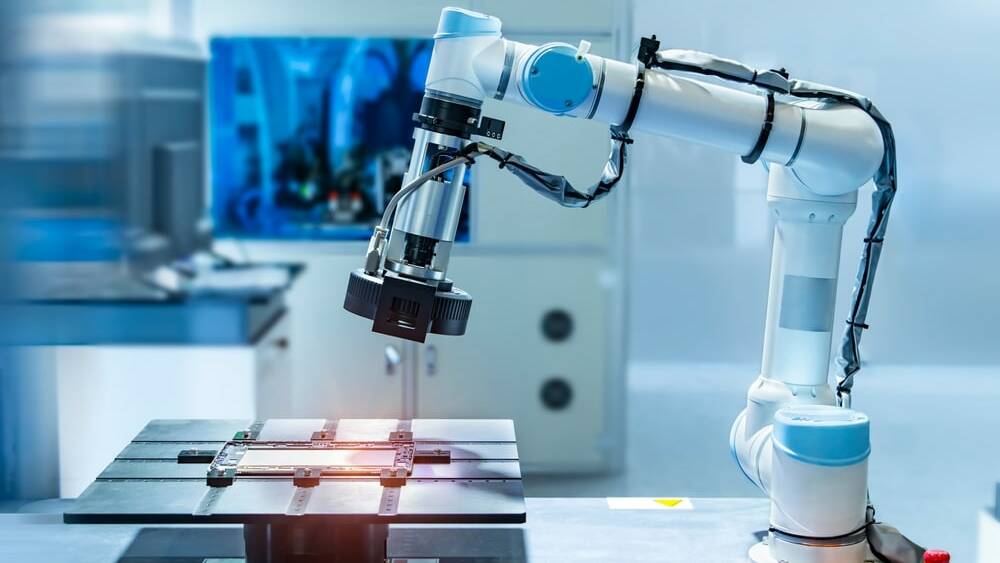
Improving Operational Performance Through Automation

Automating manufacturing procedures through robotic vision considerably boosts production speed, enabling for quicker turnaround times. This modern technology also reduces mistake prices, making certain greater precision in procedures. Additionally, structured resource monitoring is achieved, bring about a lot more efficient use of materials and labor.
Boosted Production Rate
While the integration of robotic vision in manufacturing has transformed operational procedures, its most considerable benefit depends on boosted production speed. By employing advanced photo processing and real-time data analysis, robotic vision systems can quickly determine and respond to production needs. This increased responsiveness gets rid of delays typically linked with manual evaluation and decision-making processes. In addition, these systems can run continuously without fatigue, guaranteeing that assembly line maintain high throughput. The capability to detect and address issues instantly additionally enhances process, enabling manufacturers to enhance result degrees (robotic vision). Consequently, firms benefit from lowered cycle times and increased efficiency, placing them competitively in the marketplace. Enhanced production rate, driven by robotic vision modern technology, eventually results in boosted operational effectiveness across the manufacturing landscape
Reduced Error Rates
As manufacturing rate increases, keeping accuracy becomes paramount in making procedures. Robotic vision systems considerably add to reduced mistake prices by offering specific measurements and real-time analyses. These sophisticated systems make use of high-resolution video cameras and innovative algorithms to find flaws, misalignments, or variances in items during assembly. By automating quality assurance, makers can promptly recognize and rectify issues that human inspectors could neglect. This not just lessens waste however additionally enhances overall product top quality. Additionally, the assimilation of robotic vision reduces variability in manufacturing, ensuring that each thing satisfies rigid specifications. Subsequently, producers experience less pricey recalls and raised customer contentment, ultimately leading to a more efficient and lucrative operational version.
Structured Source Monitoring
Reliable resource administration is critical for making best use of operational efficiency in manufacturing, specifically when integrated with robotic vision systems. These systems enhance the capability to keep track of and allocate sources precisely, making certain that materials and labor are utilized successfully. By employing innovative visual technologies, suppliers can recognize ineffectiveness in real time, reducing waste and boosting production timelines. On top of that, robotic vision allows accurate inventory tracking, minimizing the risk of overstocking or stockouts. Automation of these procedures not only simplifies procedures but likewise allows human workers to concentrate on higher-value tasks, promoting development and efficiency. Therefore, companies can accomplish substantial price savings while maintaining high-grade requirements, ultimately positioning themselves much more competitively in go to my blog the sector.
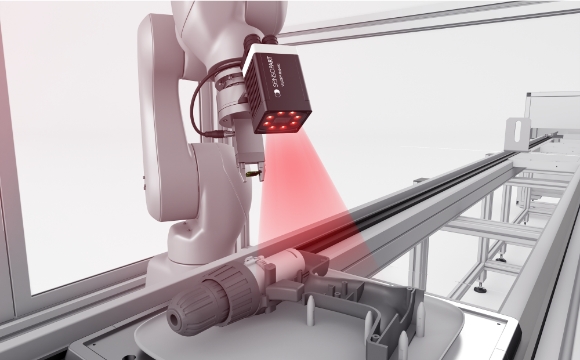
Decreasing Human Mistake in Production Processes
Human mistake continues to be a considerable difficulty in making procedures, frequently bring about costly mistakes and inadequacies. In settings where accuracy is critical, even minor lapses in judgment can result in faulty items or hold-ups in manufacturing timetables. Robotic vision systems can mitigate these threats by providing accurate and regular monitoring of manufacturing operations. By automating tasks such as quality assurance and setting up line assessments, these systems decrease the dependence on human oversight, thereby decreasing the potential for errors.Moreover, robotic vision innovation improves information precision, allowing for real-time adjustments based on visual feedback. This capacity ensures that any deviations from developed standards are quickly recognized and remedied, additionally minimizing the chance of mistakes. As suppliers increasingly take on robotic vision, they can anticipate not only to boost accuracy and efficiency yet likewise to foster a more secure working setting by relieving the pressure on human drivers.
The Role of Artificial Knowledge in Robotic Vision
Artificial intelligence noticeably boosts robotic vision by using device discovering formulas and advanced picture processing methods. These technologies make web it possible for robotics to interpret visual data with better accuracy, boosting both efficiency and accuracy in producing setups. Therefore, the assimilation of AI right into robotic vision systems represents a crucial development in automation.
Maker Knowing Algorithms
Artificial intelligence algorithms are changing robotic vision in manufacturing by enabling equipments to translate and assess visual data with exceptional precision. These algorithms permit robotics to gain from vast datasets, adjusting to brand-new circumstances and boosting their performance in time. By leveraging methods such as supervised and not being watched understanding, robotic systems can recognize patterns and anomalies in real-time, which boosts quality control and reduces waste. Furthermore, artificial intelligence facilitates much better decision-making processes, allowing robots to enhance their activities based upon found out experiences. As these formulas evolve, they encourage robotic vision systems to execute increasingly complex tasks, eventually driving efficiency and precision in manufacturing operations. The assimilation of device discovering consequently plays an essential duty in the advancement of robotic vision innovation.
Photo Processing Techniques
Enhancing the capacities of robotic vision, picture processing strategies play a crucial function in allowing systems to analyze visual info properly. These strategies entail formulas that enhance image top quality, remove appropriate features, and acknowledge patterns within visual data. By using approaches such as edge discovery, segmentation, and things acknowledgment, robotic systems can identify and identify components with impressive precision. The combination of synthetic intelligence further enhances these methods, enabling flexible learning and boosted decision-making in dynamic settings. Because of this, robotic vision systems can not just identify defects but also optimize processes, causing raised efficiency and precision in production. Consequently, the constant advancement of picture handling methods remains critical to the advancement of robotic vision in industrial applications.
Future Trends in Robotic Vision for Manufacturing Industries
As sectors significantly focus on performance and precision, the evolution of robotic vision innovation is established to transform manufacturing processes substantially. Future trends indicate substantial developments in expert system and artificial intelligence combination within robotic vision systems. These improvements will enhance real-time decision-making capacities, allowing robots to adjust to varying conditions autonomously. The fostering of 3D vision systems is prepared for to boost, giving more exact spatial recognition and object recognition. Cooperations between robotics and human workers may additionally develop, with sophisticated vision systems assisting in much safer and extra efficient communications. Additionally, making use of side computer will likely make it possible for faster information processing, lowering latency and improving functional responsiveness. As these fads unfold, the manufacturing industry stands to take advantage of enhanced top quality control, lowered waste, and structured workflows, ultimately bring about raised competitiveness in a rapidly changing market.
Regularly Asked Inquiries
Exactly How Does Robotic Vision Differ From Typical Machine Vision Equipments?
Robotic vision includes sophisticated algorithms and real-time handling, making it possible for dynamic interpretation and communication with settings. In comparison, traditional machine vision mainly concentrates on static image capture and evaluation, limiting adaptability and responsiveness in intricate manufacturing scenarios.
What Industries Benefit A Lot Of From Robotic Vision Innovation?
Different sectors profit substantially from robotic vision innovation, including auto, electronics, and food handling. These industries useful reference leverage enhanced precision, efficiency, and adaptability, inevitably enhancing production top quality and decreasing functional costs via advanced automation options.
Can Robotic Vision Solutions Be Integrated With Existing Manufacturing Tools?
Robotic vision systems can certainly be incorporated with existing production tools. This assimilation enhances functional effectiveness, enabling seamless collaboration between typical machinery and advanced aesthetic technology, eventually enhancing general manufacturing procedures and outcomes.
What Are the Expenses Connected With Implementing Robotic Vision Solutions?
The costs connected with applying robotic vision solutions differ substantially, influenced by variables such as system complexity, needed software, equipment parts, assimilation with existing equipment, and recurring maintenance costs, inevitably influencing total roi.
Just how Do Upkeep and Assistance for Robotic Vision Equipments Work?
Upkeep and assistance for robotic vision systems involve regular software updates, hardware inspections, and troubleshooting. robotic vision. Vendors commonly supply solution contracts, guaranteeing prompt support and reducing downtime to keep peak performance and reliability in commercial applications